
How to Make Moving Easier for Young Kids Before, During, and After the Move
A move asks a lot of young children. Their rooms disappear into boxes, familiar routines shift, and adults are often busy with decisions they cannot explain. Even an exciting move can bring worry, clinginess, sleep changes, or sudden resistance.
The goal is not to convince a child that moving is only happy. It is to make the change understandable, give them a small amount of real control, and carry familiar comforts from the old home into the new one.
Before the move: make the change visible
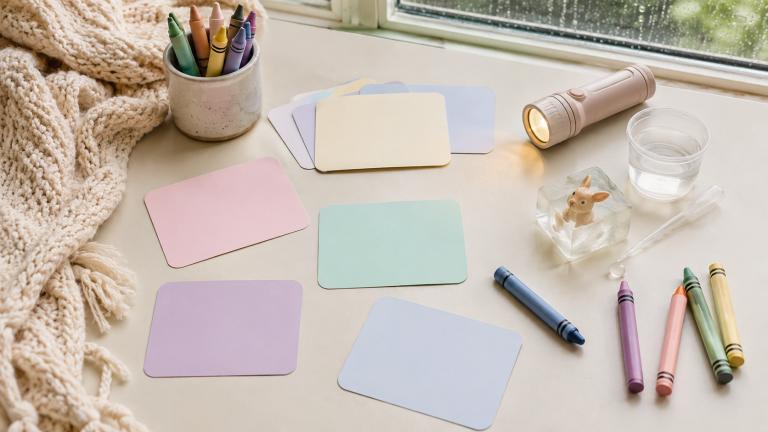
Young children understand concrete information better than open-ended promises. Instead of saying, “We are moving soon,” show them what will happen next. Use a short paper countdown, a simple calendar, or three picture cards labeled pack, travel, and new home.
Keep explanations honest and brief. Tell them what will stay the same, including who will tuck them in, which blanket will come along, and when they will see important people again. Repeating the same reassuring details is more useful than offering a new explanation every day.
Let them choose what travels close
Give each child a small first-night box or backpack for the things they want immediately. A favorite stuffed animal, pajamas, two books, a night-light, and one familiar cup can make an unfamiliar room feel manageable. Keep this container with the family, not on the moving truck.
Say goodbye without making it heavy
A goodbye ritual can be as simple as walking through each room and naming one good memory. Take a photo of the front door, draw a map of favorite places, or write a short note to the house. If your child is not interested, do not force a sentimental moment. A wave from the car is enough.
During the move: give them one real job
Children often hear “not now” repeatedly on moving day. One specific job helps them feel included without putting them in charge. They can carry the tape basket, place stickers on bedroom boxes, count pillows, keep the snack bag nearby, or check that every stuffed animal made it into the car.
Choose a task that can succeed even if the schedule changes. Avoid jobs that depend on speed, perfect sorting, or careful handling of fragile items.
Protect the basics first
Food, rest, and predictable check-ins matter more than a perfectly cheerful attitude. Pack more snacks and water than you think you need. Build in a quiet break before behavior reaches the breaking point. If another trusted adult can focus on the child for part of the day, let that be the plan rather than a last resort.
At the new home: create one familiar corner
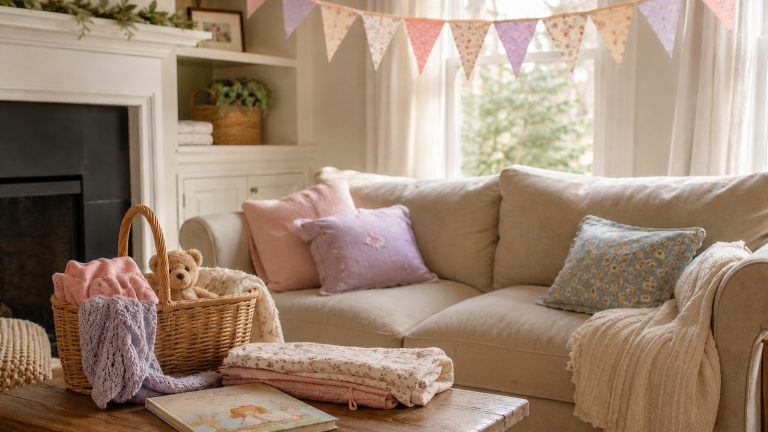
You do not need to unpack the whole bedroom before bedtime. Make one soft landing spot first. Put on the familiar sheets, set out the lamp or night-light, place a few books nearby, and let the favorite stuffed animal “arrive” before the rest of the room.
A temporary room sign or door hanger can help the space feel claimed. Let your child choose where one harmless item goes, such as the book basket, pillow, or stuffed-animal chair. That small decision gives them ownership without turning unpacking into a negotiation.
Plan an easy first-night tradition
First-night traditions work best when they require almost no kitchen. Try pizza on a blanket, breakfast for dinner, paper cups with sparkling lemonade, or a picnic made from familiar foods. Add one simple ritual: make a wish for the new home, find five things that already feel familiar, or take a family photo among the boxes.
The tradition does not need to be elaborate. Its job is to mark the transition and say, “We are here together.”
After the move: expect feelings to arrive late
Some children handle moving day well and struggle a week later. Return to routines as quickly as real life allows, especially bedtime, morning connection, and regular meals. Invite questions without asking for a positive review of the new house.
Try prompts that make room for mixed feelings: “What do you miss today?” “What feels easier here?” and “What should we explore next?” Missing the old home does not mean the move was a mistake. It means the old home mattered.
A low-stress moving plan for ages 3 to 8
- Ages 3 to 4: Use picture cues, two choices at a time, and the same short explanation.
- Ages 5 to 6: Add a moving-day helper job and let them decorate one box or room sign.
- Ages 7 to 8: Invite them to help plan the first-night meal, make a keepsake map, or choose one new-room detail.
Keep the memory, not the pressure
Take a few honest photographs and save one small artifact, such as a wish card, old-house drawing, or labeled key tag. Then let the rest of the day be imperfect. Children are more likely to remember feeling included and safe than whether every box was unpacked.
For a complete step-by-step plan, age adaptations, practical printables, and backup options, explore The Big Move experience. If you want a focused list of optional supplies, visit The Big Move Shopping Guide.