First Night in a New House Traditions Children Will Remember
The first night in a new house is usually full of boxes, missing chargers, and very tired people. That is exactly why a small family tradition can matter. It gives children a clear beginning before the new place feels familiar.
You do not need a decorated reveal or a perfectly unpacked room. Choose one easy meal, one shared activity, and one tiny keepsake. Together, those three things are enough to turn an ordinary moving night into a memory.
1. Have a floor picnic
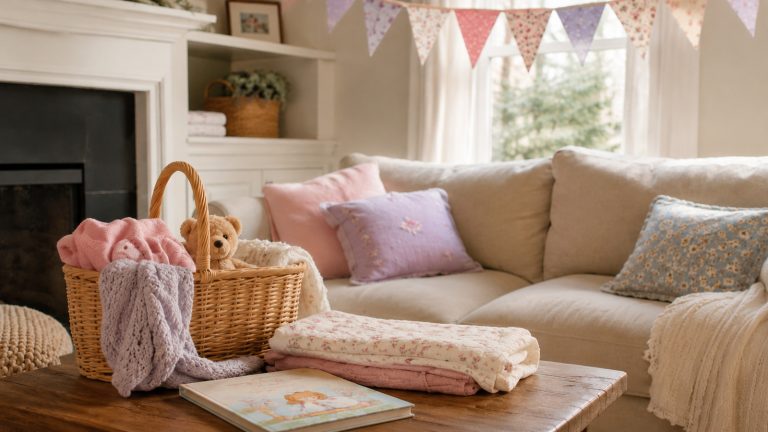
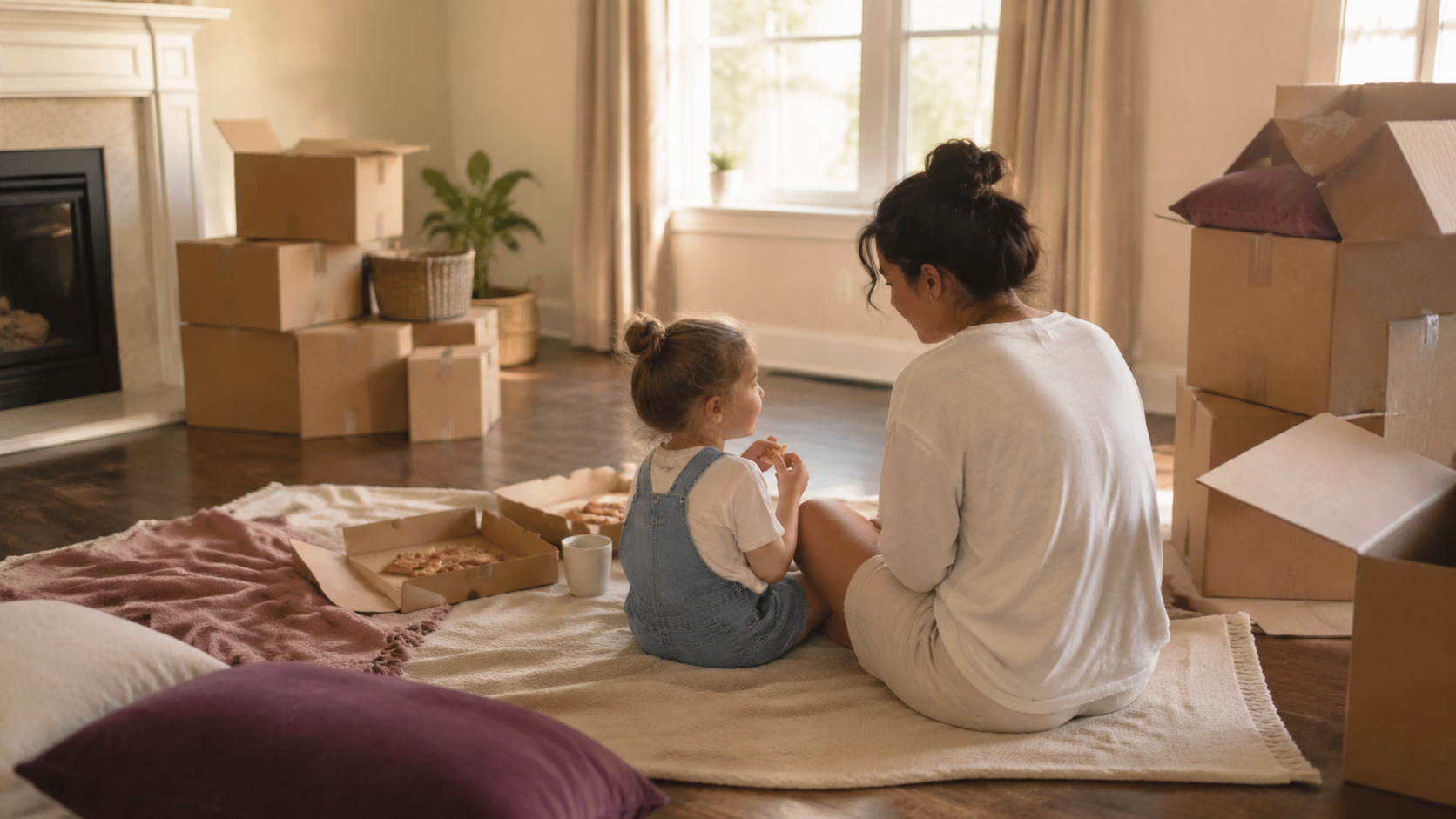
Spread a familiar blanket in the living room and serve the simplest dinner you can manage. Pizza, sandwiches, fruit cups, or breakfast food all work. Use regular paper plates if the dishes are still packed. The magic comes from eating together in an almost-empty room, not from a themed menu.
Let children choose one picnic detail, such as the music, dessert, or where everyone sits. Take one photograph before the boxes begin to disappear.
2. Open the first-night box together
Pack one family box that stays with you during the move. Include pajamas, toiletries, medicines, chargers, a few books, a night-light, favorite comfort items, and breakfast basics. Add something small that feels celebratory, such as microwave popcorn, a card game, or sparkling lemonade.
Opening that box can become the official signal that moving day is finished and family time has begun.
3. Make a wish for the new home
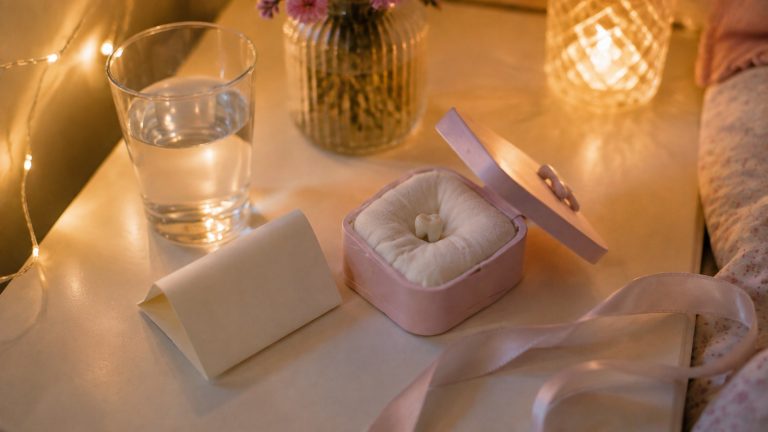
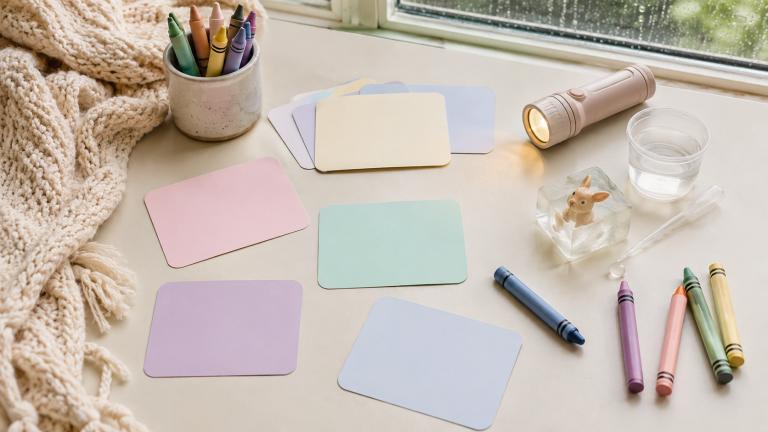
Give each person a small card and finish the sentence, “In this home, I hope we…” Young children can draw instead of write. Wishes might include cozy movie nights, pancakes on Saturdays, a garden, more family dinners, or making a new friend.
Keep the cards in an envelope and read them again on the first anniversary of the move. The wishes do not need to be serious. “I hope we always know where the tape is” is worth saving too.
4. Take a new-home flashlight walk
After the movers leave, give each child a flashlight and walk through the rooms together. Notice funny echoes, interesting shadows, closets, windows, and the view outside. Keep the activity calm and stay together, especially near stairs and unpacked areas.
Ask one simple question in each room: “What do you think might happen here?” This helps children imagine a future in the new space without demanding that they immediately love it.
5. Create one familiar bedtime corner
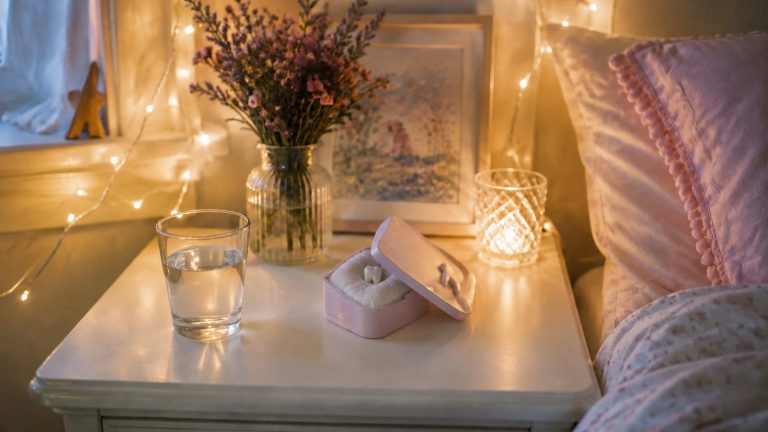
Unpack the bed or sleeping space before trying to organize the whole bedroom. Use the same sheets, blanket, stuffed animal, books, and night-light from the old home. Familiar sensory details can be deeply reassuring after a day of change.
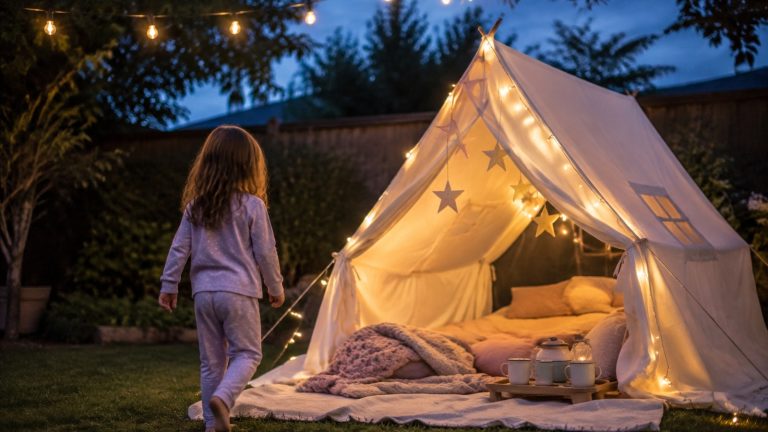
If the room is not ready, make a family sleepover nest in one safe room. Sleeping bags and mattresses on the floor can feel intentional when everyone is together.
6. Choose a name for the new room
Invite children to create a temporary name for their room or favorite corner, then make a simple sign. It could be “The Cozy Cove,” “Book Nook Headquarters,” or simply their name with a drawing.
This is especially helpful for a child who had little control over the move. Choosing a room name is small, reversible, and completely theirs.
7. Find five familiar things
Before bed, look for five things that feel the same in the new house: a favorite cup, the bedtime song, a parent’s hug, the smell of clean pajamas, or the way a stuffed animal sits on the pillow. This gently shifts attention from everything that changed to the connections that remain.
Do not use the game to talk a child out of missing the old house. You can say, “We can miss our old home and still find familiar things here.”
8. Mark the first morning too
Moving-night energy can end abruptly at bedtime. A small first-morning plan gives children something predictable to look forward to. Set out cereal bowls the night before, pick up favorite pastries, or plan a short walk to explore the neighborhood.
Take a photo by the front door or write down the first thing each person noticed when they woke up. That quiet morning detail may become the keepsake you treasure most.
How to keep the tradition low stress
- Choose only one or two ideas if the day runs long.
- Use familiar foods and comfort items before buying themed supplies.
- Keep the first-night box in your own vehicle.
- Plan for tired feelings instead of expecting nonstop excitement.
- Let the house remain unfinished. The tradition is the pause, not the presentation.
A simple three-part plan
The welcome: Open the door together, hang a room sign, or take a flashlight walk.
The shared moment: Eat a floor picnic, play one card game, or make new-home wishes.
The keepsake: Save a wish card, take one honest photograph, or write the date on a key tag.
The first night does not have to prove that the move was the right choice. It only needs to help everyone land. A familiar blanket, an easy meal, and a few minutes of undivided attention can make a house feel like the beginning of home.
For the complete sequence, moving-day helper jobs, room signs, labels, keepsakes, age adaptations, and backup plans, explore The Big Move experience. For optional first-night and moving supplies, visit The Big Move Shopping Guide.